What this dog already knows
We walk you through the observation notes and what they mean for daily life: sounds the dog flinches at, people they avoid, what their days used to look like before they got off the street.
Tbilisi · Since 2018
PEPS is a small shelter and a slower way of doing rescue. Denis Simonov spent years watching Tbilisi's street dogs before he ever opened a kennel, and the dogs living here still get the benefit of that long look.
About Denis
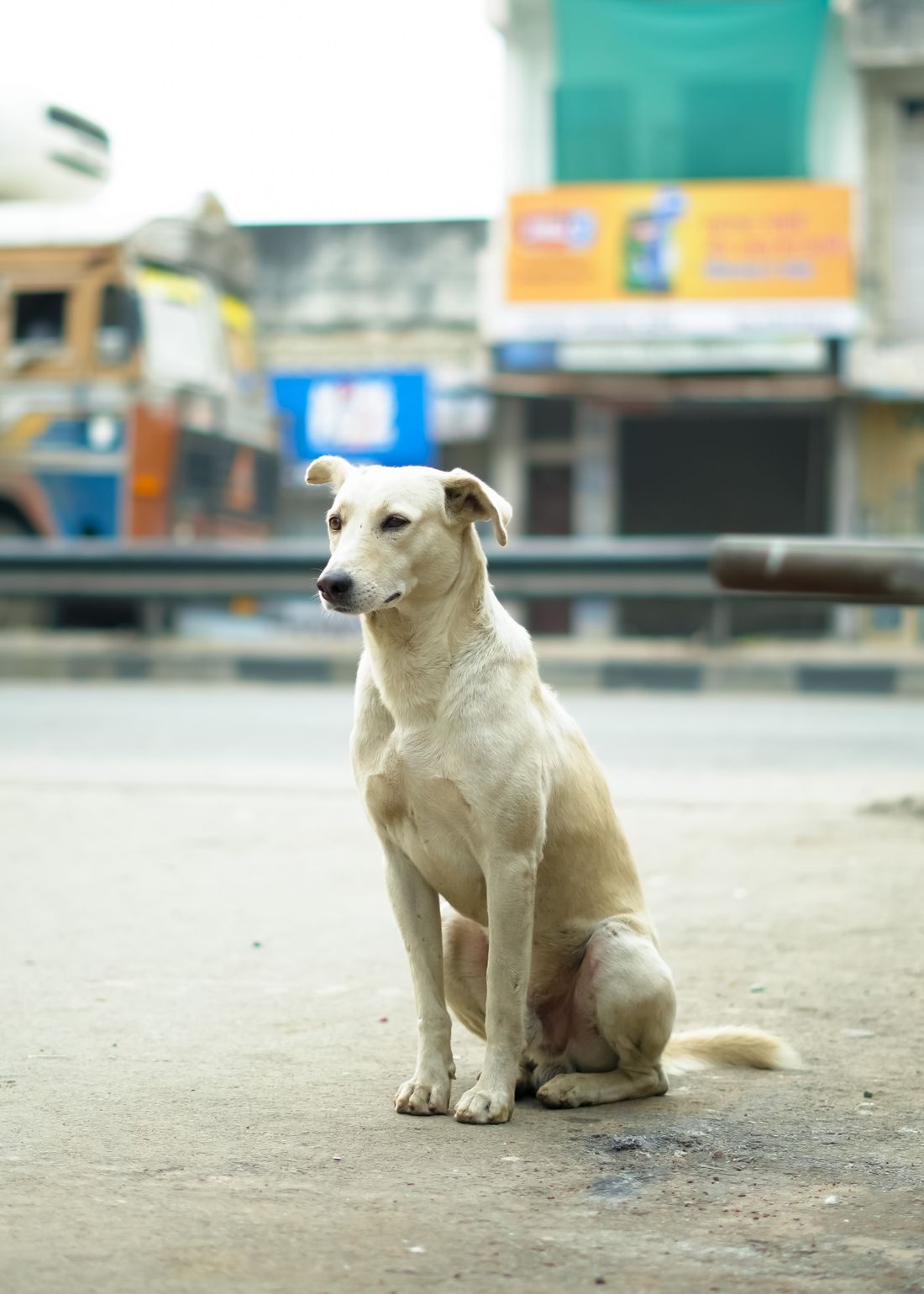
Denis followed Tbilisi's street dogs around long before he ran a shelter. He kept notebooks: which corners they slept on, which cars they recognised, which strangers they wouldn't go near. Most of that fieldwork still sits underneath everything we do here.
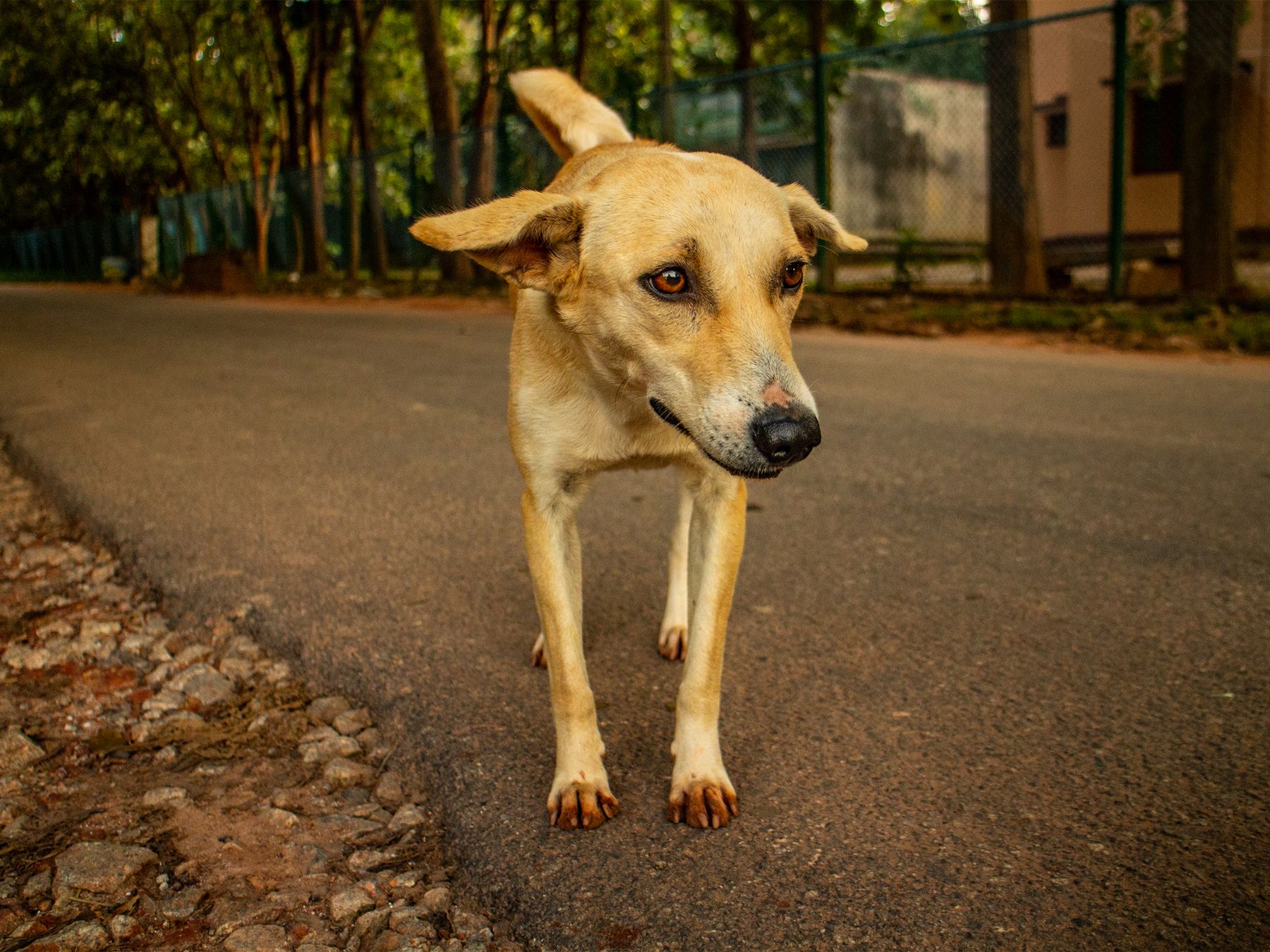
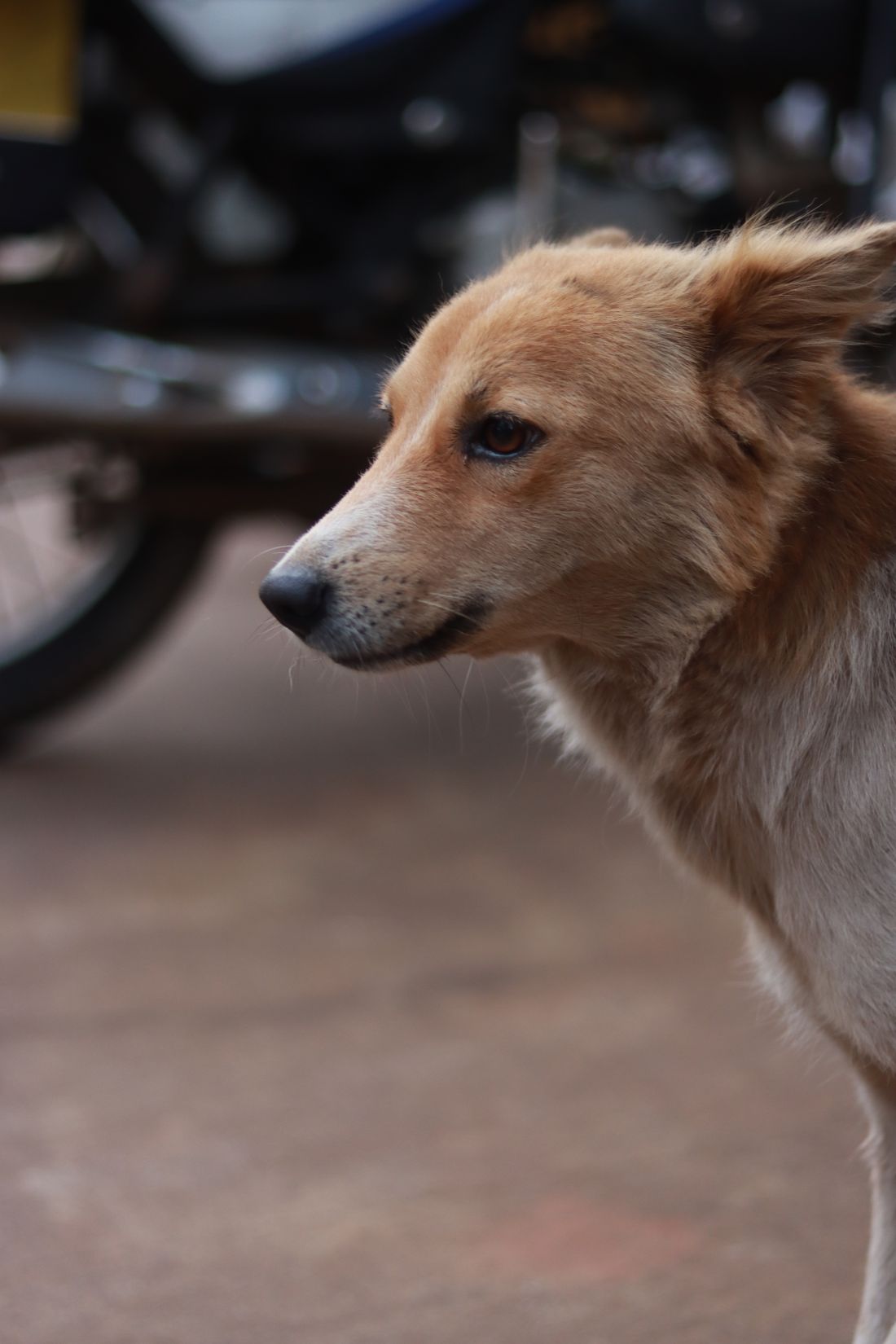
A street dog has already learned a great deal by the time we meet them. Some of it useful, some of it inconvenient indoors. We figure out what each dog already knows before we ask anything of them. That order matters more than most people expect.
"The fastest adoption is rarely the one that lasts. We try to be honest about that with everyone who walks in."
— Denis Simonov
The Shelter
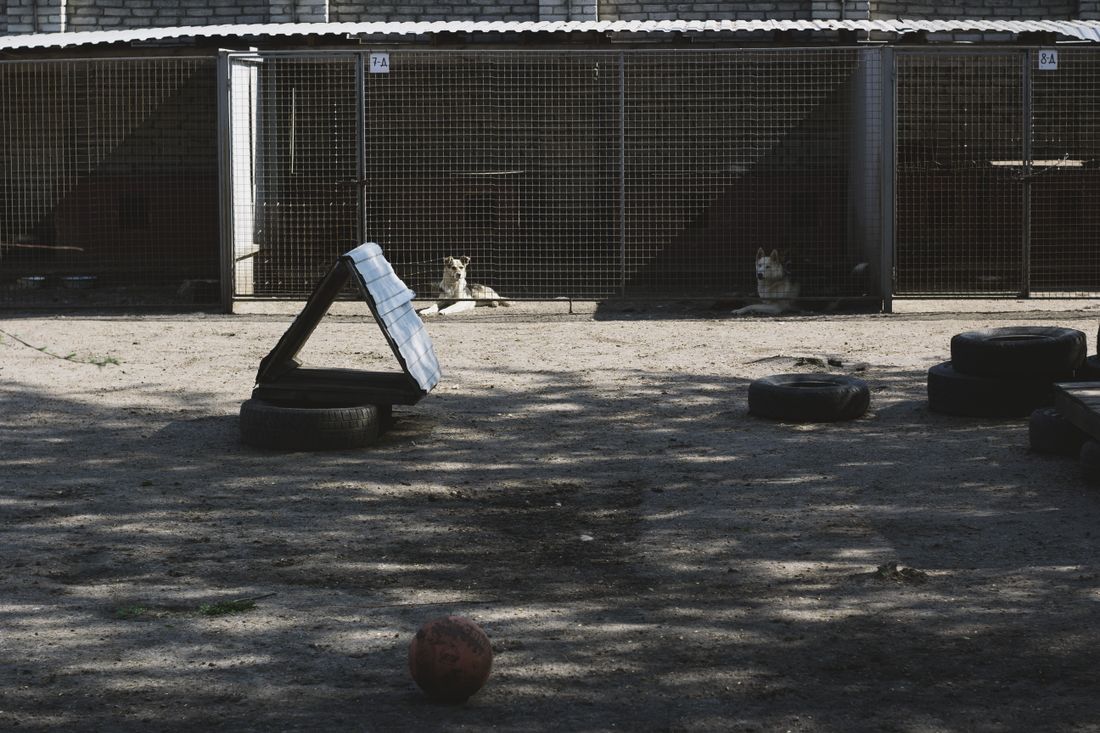
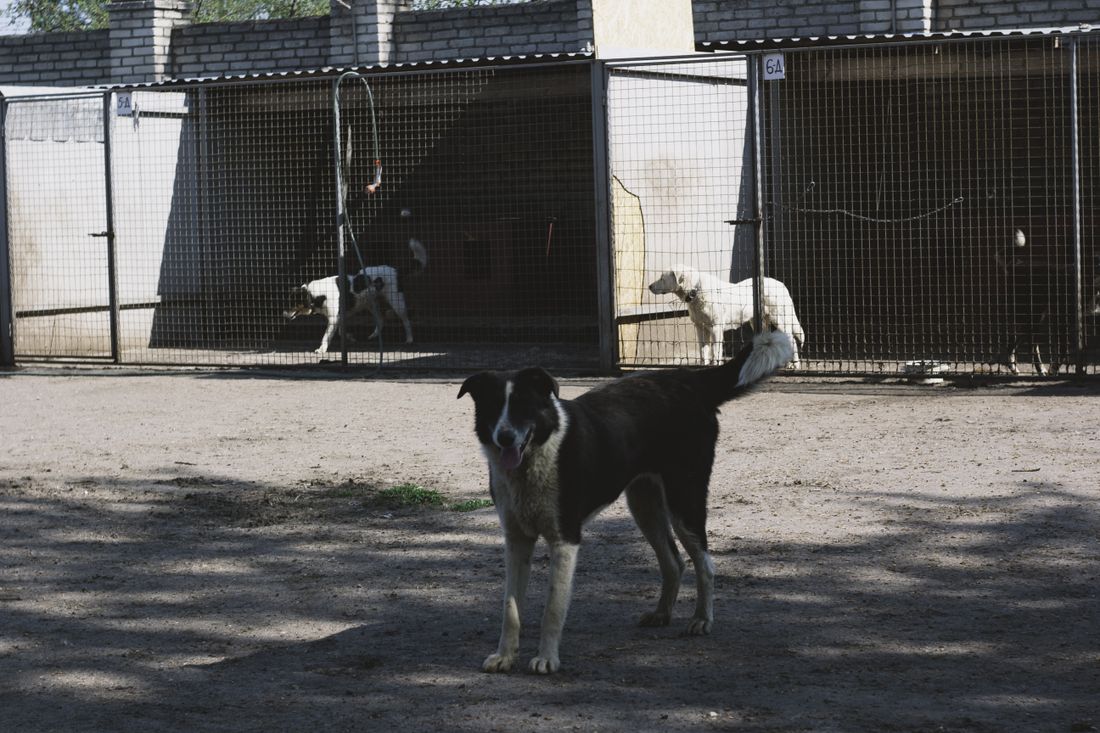
We hold around twenty dogs at a time, mostly pulled from districts where the population is unsafe for the dogs and the dogs are unsafe to be around. They get vaccinated, fed, treated, and put under a roof.
Then they get something most rescues can't afford to offer: a few quiet weeks where nothing is asked of them. We watch. We learn each dog's tolerances and triggers. Only after that do we start talking about who they might live with.
Ways in
Most people who help us never adopt. The dogs need walkers, drivers, foster couches, photographers, fence-fixers, and the occasional sceptic who will tell us when we're being soft on a dog who needs structure. There's a job here for almost anyone.
01 · Adopt
Adoption here is not a form-and-photo process. You come in, you meet several dogs, you talk to whoever has been working with them, and you wait. We've found the right match almost always reveals itself within two visits.
Once a match is made, you spend a few sessions with the dog before they leave with you. A slower handover saves a lot of returns later. We ask everyone to be patient with this, and almost no one regrets it.
Arrange a visit →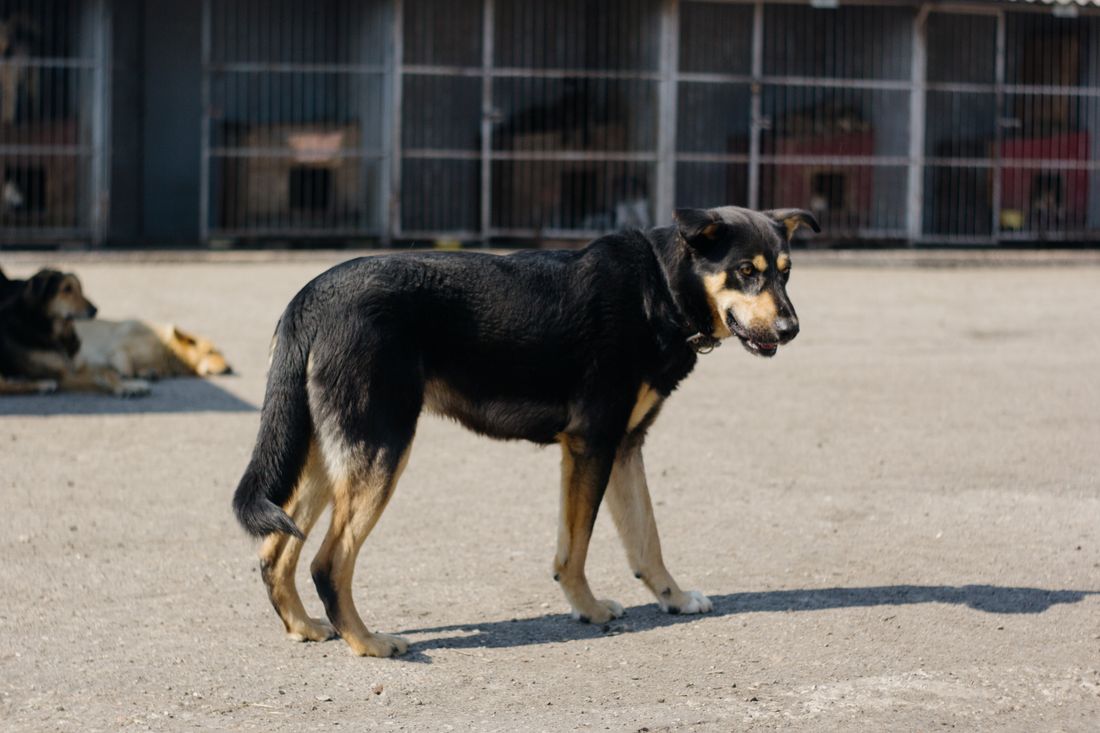
02 · Foster
A kennel works fine for some dogs. Others need something quieter: pregnant females, post-surgical recoveries, dogs who shut down around a pack. For them, one person paying attention beats any kennel we could build. Fosters give us that flexibility.
We cover food, vet bills, crates, and supplies. You give the time and the couch. Most fosters last between two and eight weeks; some go longer. None of it is open-ended without your say-so.
Become a foster →03 · Volunteer
There is always a dog who needs walking, brushing, sitting with, or just talking to. Some volunteers come once a week for years. Some come for a Saturday morning and that turns out to be enough. The dogs notice both.
We also need help that isn't dog-facing: photography, transport, building repair, translation, a hand at adoption events. Tell us what you're good at and we'll find a use for it.
Sign up to volunteer →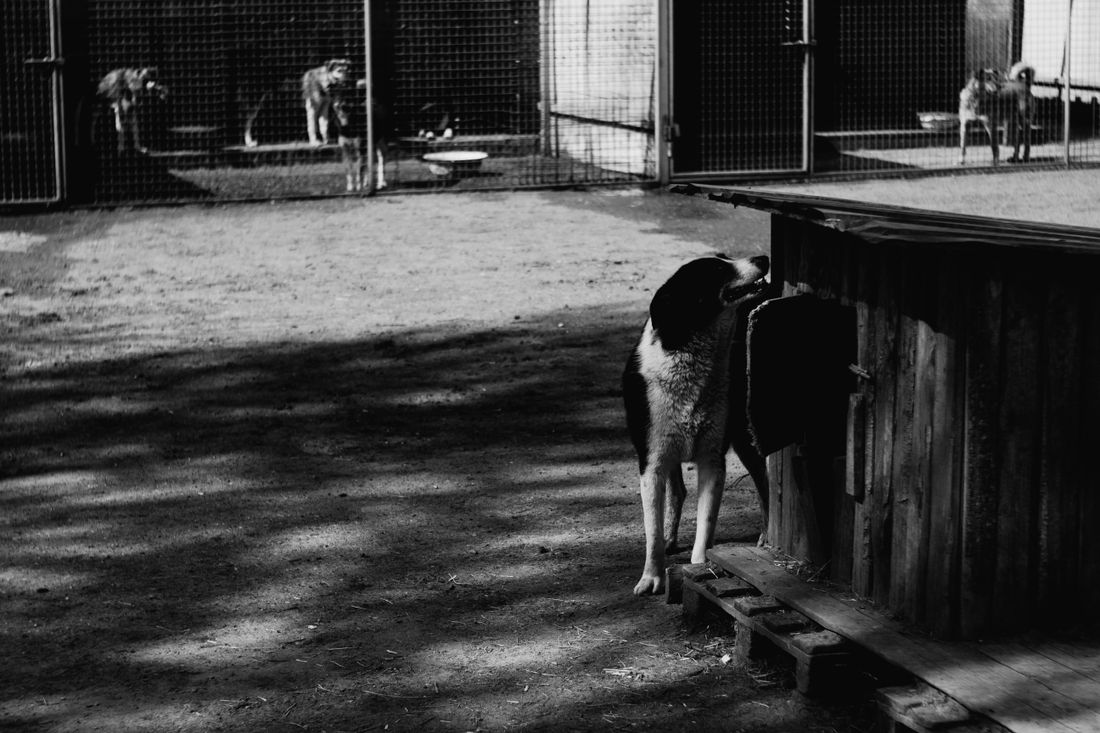
04 · Behaviour Training
Every adopter goes through three sessions before the dog moves in. Two with us at the shelter, one in your home after the dog arrives. The dogs we lose to returns are almost always the ones whose new humans skipped this step.
We walk you through the observation notes and what they mean for daily life: sounds the dog flinches at, people they avoid, what their days used to look like before they got off the street.
Resource guarding. Door-bolt risk. Crate work. Why the dog might suddenly stop eating in week two. The handful of issues we see every single time, and how to head them off.
We come to you. We watch the dog in their new space, point out what we'd change, and give you a written plan for the next eight weeks. You get our number for as long as you need it.
Common questions
Yes. Every dog leaves with a full vet record, vaccinations, sterilisation, microchip, and a copy of their behavioural notes.
We ask for a contribution to cover vet costs. The amount is flexible and never gets in the way of a good match. Talk to us.
Often yes. Apartment life suits a lot of street dogs surprisingly well. We'll talk through the specifics of your space during the first session.
Sometimes, when the right person is on the other end and the paperwork is in order. We do not work with bulk transport schemes.
The dog comes back to us. No fee, no judgment. We'd rather take a dog back than leave them in a home where things are going wrong.
Visit
We work in small numbers, and walk-ins disrupt the dogs and the people. Email Denis with a few sentences about what you're after, whether that's adoption, fostering, volunteering, or training, and we'll find a time.